








Packing for a week should be easy. Seven days, one suitcase or backpack, done. The problem usually isn't knowing what you'll definitely wear. It's packing for all the things you might wear.
A one-week travel capsule wardrobe solves that problem by giving you a small collection of clothes that work together. Rather than packing seven completely different outfits, you create different combinations from the same versatile pieces.
For women, that might mean trousers that work with several tops, a cardigan that can be layered over a T-shirt or dress, and boots that work during the day without looking out of place when you go out for dinner.
The result is a lighter carry-on suitcase and considerably less time spent wondering why you brought four pairs of shoes.
What Is a Travel Capsule Wardrobe?
A travel capsule wardrobe is a limited collection of clothing chosen specifically because the individual pieces can be worn together. For a seven-day trip, the objective isn't necessarily to wear every garment only once. It's to create enough combinations that you can dress appropriately throughout the week without carrying an excessive amount of clothing.
This works particularly well if you want to travel with a carry-on bag rather than checking luggage.
A pair of trousers might be worn with a white tee one day and a button-down shirt the next. A skirt can work with the same tops. A cardigan or sweater can be added when the temperature drops, while one carefully chosen piece of outerwear covers most changes in weather.
Once everything works together, the number of possible outfits becomes much larger than the number of garments in your suitcase.

Start With a Simple Color Palette
The easiest way to make a capsule wardrobe work is to choose a limited color palette. Neutral colors such as black, navy, grey, cream, white, brown and olive make useful foundations because they're relatively easy to combine. Choose two or three as your main colors, then introduce additional color through a shirt, scarf or accessories.
You don't have to dress entirely in beige for a week in the name of efficient packing. The objective is simply to avoid individual garments that only work with one other thing you've brought. If every top can be worn with every pair of trousers or skirt, you've already made packing considerably easier.
Your footwear should follow the same principle. Black or brown leather boots, neutral sneakers or simple loafers can work with far more outfits than footwear chosen for one particular look.
Choose Your Bottoms Carefully
Trousers and skirts take up more space than most tops, so you don't need many. For a typical week away, two or three options will usually give you plenty of combinations.
Jeans are useful for cooler destinations and casual trips, while lightweight trousers work particularly well when you're travelling somewhere warmer. Linen pants can be an excellent summer option because they're breathable and comfortable, although some wrinkling is simply part of their character.
Leggings can also earn a place if you'll actually use them. They're compact, comfortable for travelling and useful for casual days, but there's little point packing them simply because every generic packing list says you should.
A skirt provides another option without taking up much luggage space. Choose something that works with the same T-shirts, knitwear and footwear as your trousers rather than creating an entirely separate outfit around it.
For more active trips, hiking pants or technical travel trousers may make more sense than jeans or a skirt. As always, pack for the trip you're actually taking.

Pack Tops You Can Layer
T-shirts and tank tops are easy foundations for a travel capsule wardrobe because they're light, compact and easy to layer.
A simple white tee can work with almost anything. Wear it with trousers and sneakers during the day, tuck it into a skirt, or add a cardigan and boots when the temperature drops.
A button-down shirt gives you another useful layer and can make an outfit look immediately smarter without adding much weight to your luggage.
Longer trips also make fabric choice worth considering.
Merino wool is popular for travel because of its temperature-regulating properties and ability to resist odour, while lightweight technical fabrics can offer breathable and quick-drying performance.
For a one-week trip, however, you don't necessarily need specialist travel clothing. If your favourite everyday T-shirts are comfortable, versatile and easy to wash, take those.
Take One Good Mid-Layer
A cardigan, crew neck sweater or similar mid-layer can cover an enormous range of temperatures.
A lightweight cardigan is particularly useful because you can wear it open, button it up or easily put it into your carry-on bag when you don't need it.
A cashmere sweater offers plenty of warmth without excessive bulk, making it useful for cooler destinations where suitcase space is limited.
Whatever you choose, make sure it works over most of your tops and with all your bottoms.
Layering is much more useful for travel than packing several completely different heavy garments. A T-shirt, sweater and raincoat can adapt to changing conditions throughout the day while each piece remains useful independently.
Add a Dress if You'll Wear One
A dress can be one of the most efficient things in a women's travel capsule wardrobe because it provides an entire outfit in a single garment.
A maxi dress can work particularly well for warm-weather travel, moving easily between sightseeing, restaurants and evenings out depending on the footwear and accessories you pair with it.
In cooler weather, a dress can be worn with tights, boots and a cardigan or jacket. But don't pack a dress because you imagine travel requires a more glamorous version of your normal self. If you rarely wear dresses at home, you're unlikely to suddenly start wearing one every evening because you're traveling.
Choose Outerwear for the Weather
Check the forecast before deciding on outerwear. For a spring travel capsule, a lightweight raincoat or waterproof shell can be invaluable. It provides protection without occupying the amount of space required by a heavier coat and can be layered over knitwear when temperatures fall.
In colder weather, you'll need something more substantial. For summer travel, you may only need a light jacket for evenings. Your outerwear is also one of the easiest things to keep out of your suitcase. Wear your coat or jacket during the journey and you immediately reclaim a substantial amount of carry-on space.

How Many Pairs of Shoes Do You Need for a Week?
Two pairs will cover most trips. Three can make sense if the destination or activities genuinely require them, but footwear is one of the quickest ways to fill a carry-on suitcase.
A pair of sneakers or running shoes can handle very casual days and activities where you'll spend a lot of time walking. The second pair should ideally cover everything else.
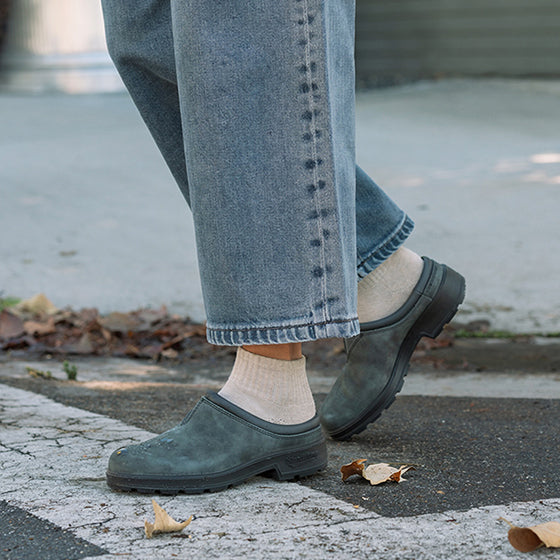
In warm weather, that might mean sandals or loafers. Flip flops can also be useful for the beach or pool and take up very little room.
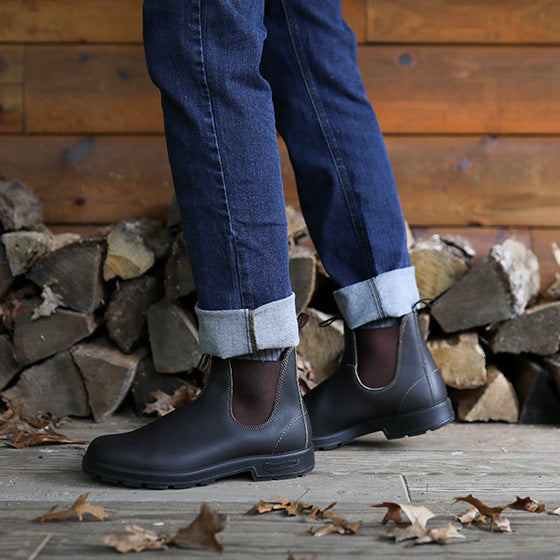
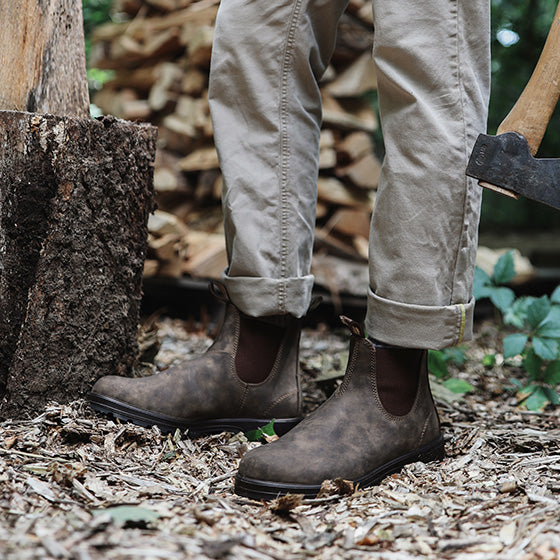
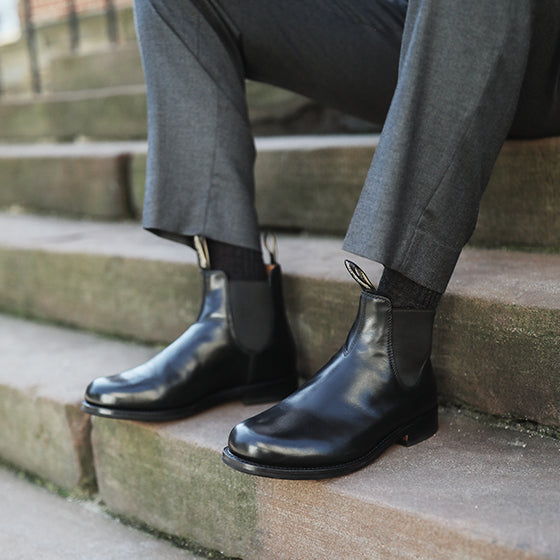
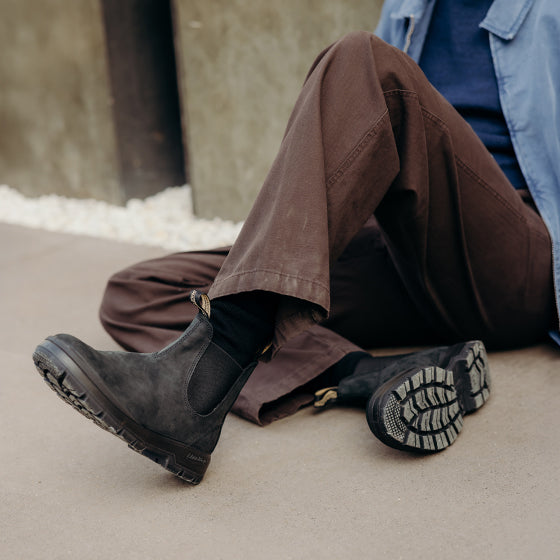
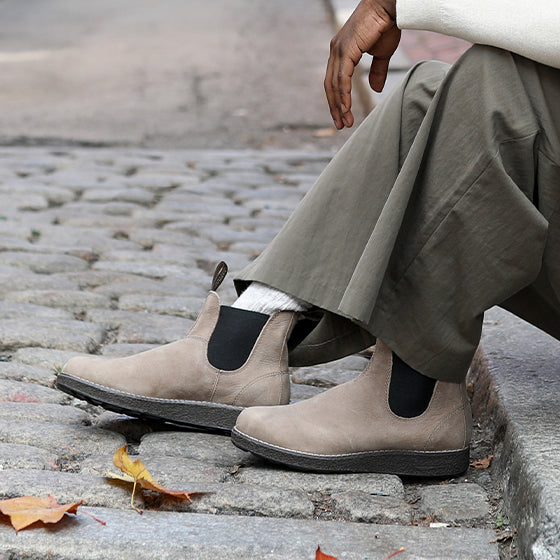
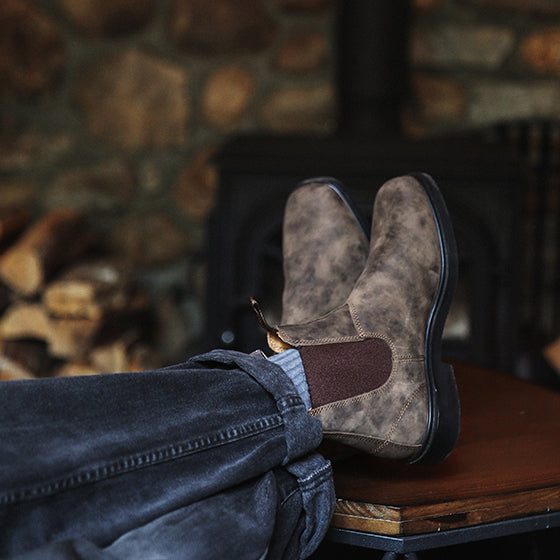
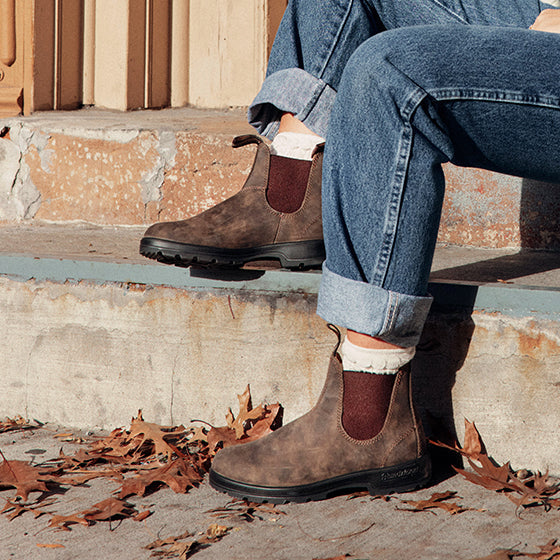
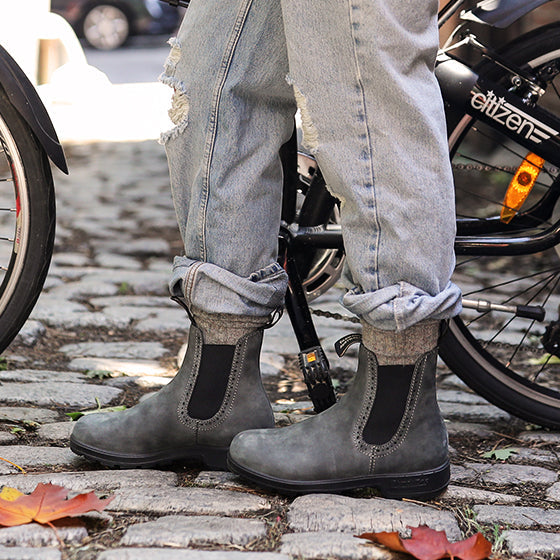
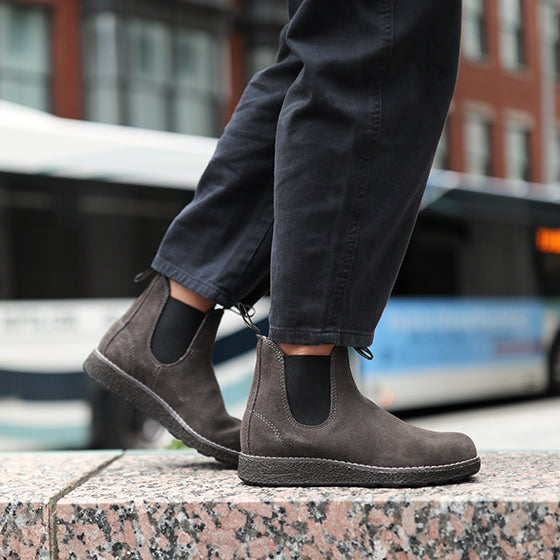
For cooler or more variable destinations, Chelsea boots are particularly versatile.
Why Chelsea Boots Work for Travel
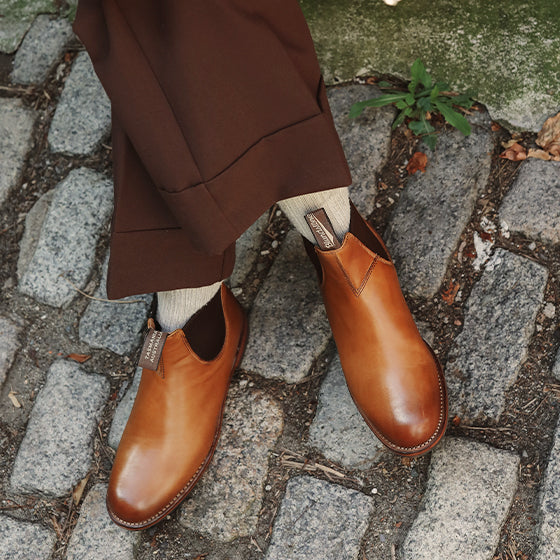
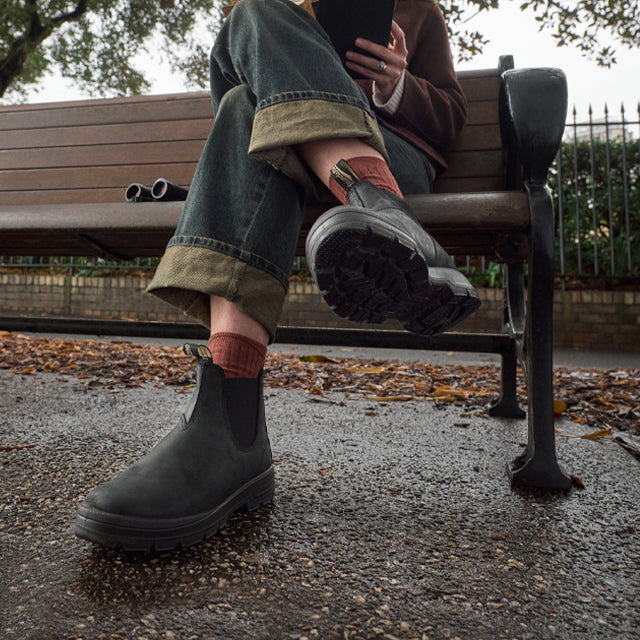
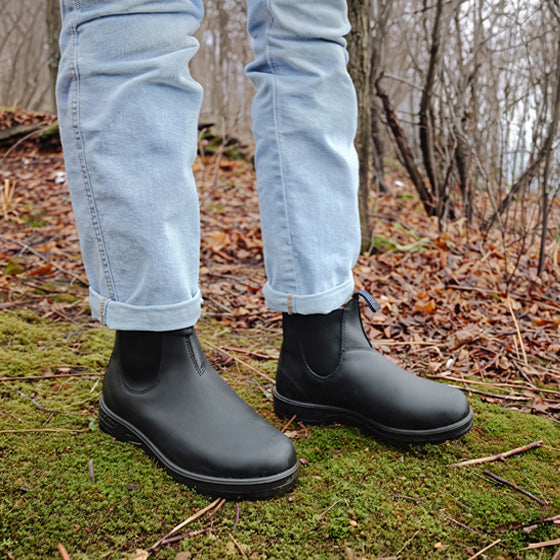
A good pair of boots can solve several packing problems at once. Chelsea boots can be worn with trousers and jeans during the day, but they also work with skirts and dresses when you want something smarter. Their ankle-height design provides more coverage in wet or cool weather than sneakers or loafers, while the pull-on construction makes them convenient for travelling.
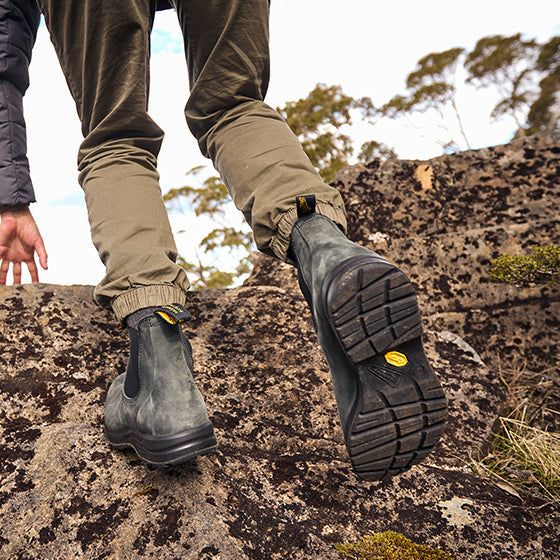
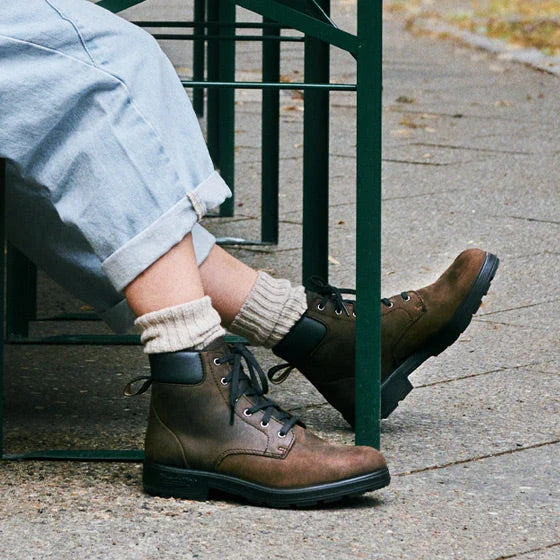
Blundstone Chelsea boots are particularly suited to trips where you expect to spend plenty of time on your feet. The Blundstone Original Series provides the classic, straightforward leather Chelsea boot design, while the Classic Series adds additional cushioning and a leather-lined interior for frequent everyday wear.
For women who prefer a little more height, Blundstone's Women's Series includes heeled Chelsea boots such as the #1671 Black and #1673 Antique Brown. These can work particularly well when you want one pair of boots to cover both casual daytime outfits and smarter evenings.
If you take boots, wear them while travelling. They're probably the largest footwear in your capsule wardrobe, so there's little benefit in letting them consume half your carry-on.
Don't Forget Underwear, Socks and Tights
The least exciting things on the packing list are also the things you're most likely to regret forgetting.
For a one-week trip, packing enough underwear and socks for the full seven days is perfectly reasonable. They don't take up much room and remove the need to think about laundry.
Alternatively, pack fewer and plan some hand washing during the trip. Quick-drying underwear can be particularly useful if you're trying to pack extremely light. If you're taking dresses or skirts somewhere cooler, add tights appropriate to the weather.
Again, don't pack for every theoretical possibility. If the forecast says 30°C all week, your emergency thermal tights can probably remain at home.
Use Accessories to Change an Outfit
Accessories are one of the easiest ways to make a small wardrobe feel less repetitive. A scarf can add color and warmth while taking up very little space. Earrings, a watch or other small pieces of jewellery can make an outfit feel more considered without adding meaningful weight to your luggage.
A crossbody bag is particularly useful for travel because it keeps essentials close without occupying your hands. If you're flying, it may also work as your personal item, depending on the airline's baggage rules and its size.
The trick with accessories is the same as everything else: choose a few things you'll actually use rather than transferring the contents of your dressing table into another country.
What About Swimwear and Active Clothing?
This depends entirely on the destination. If your hotel has a pool or you're heading somewhere coastal, a swimsuit takes up so little room that it's an easy addition.
Running shoes and activewear are more complicated because they consume valuable luggage space. If you're genuinely going running or using the hotel gym, take them. If you're packing them because you enjoy the idea of becoming someone who runs at sunrise while on holiday, perhaps reconsider.
The same applies to specialist hiking clothing. If hiking is a major part of the trip, proper footwear and hiking pants deserve space in your luggage. If you're merely planning an afternoon walk on an easy trail, your normal travel clothes may already be sufficient.
A capsule wardrobe works because it reflects your itinerary rather than attempting to prepare you for every possible activity.
Make the Most of Your Carry-On
Once you've reduced the amount of clothing, packing becomes much easier. Compression packing cubes can help organise clothing and reduce bulk, particularly if you're trying to fit everything into a smaller carry-on suitcase. They don't magically make luggage weightless, though, so keep an eye on airline weight restrictions.
Rolling some garments can help use space efficiently, while folding may work better for shirts and clothes that wrinkle easily. Put smaller items such as socks and underwear into otherwise unused spaces.
And remember that your carry-on doesn't have to be completely full when you leave home. A little spare capacity is useful for anything you buy while you're away.

A Practical Packing Strategy for Seven Days
For most one-week trips, start with two or three bottoms, three or four T-shirts or tops, one or two shirts, one mid-layer and appropriate outerwear. Add a dress or skirt if those are genuinely part of your normal wardrobe.
Take enough underwear and socks for the trip, or fewer if you're happy to wash things. Then choose no more than two or three pairs of footwear based on the destination. For a cooler trip, that might mean Chelsea boots and sneakers. For a summer destination, sneakers and sandals may make more sense.
Finally, add a small number of accessories, your crossbody bag and any activity-specific clothing you know you'll need. That's enough clothing to create considerably more than seven outfits without turning your holiday into an exercise in luggage management.
Pack for the Trip You're Actually Taking
The best packing tips aren't really about folding techniques or compression packing cubes. They're about editing.
Every item in a travel capsule wardrobe should either work with several other pieces or serve a specific purpose. If you can't immediately explain when you're going to wear something, there's a good chance you don't need it.
Choose a simple color palette, build outfits from interchangeable layers and be particularly ruthless about footwear. Wear the bulkiest pieces while travelling and leave room in your suitcase rather than treating empty space as a packing failure.
Seven days doesn't require seven completely different wardrobes. It just requires one small wardrobe that works.